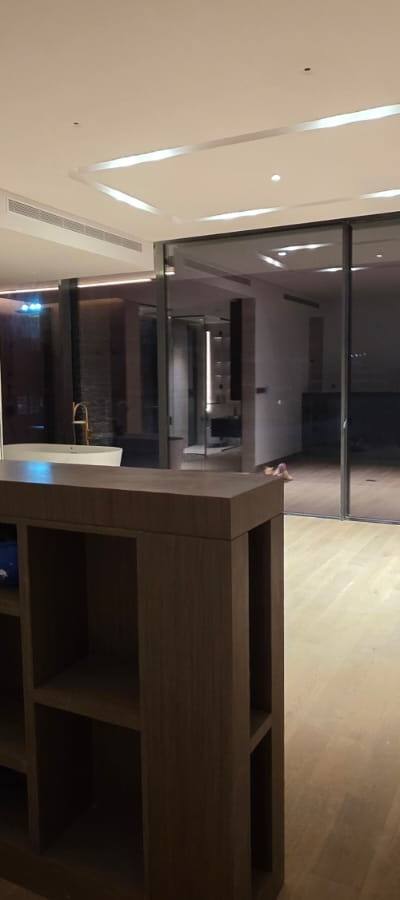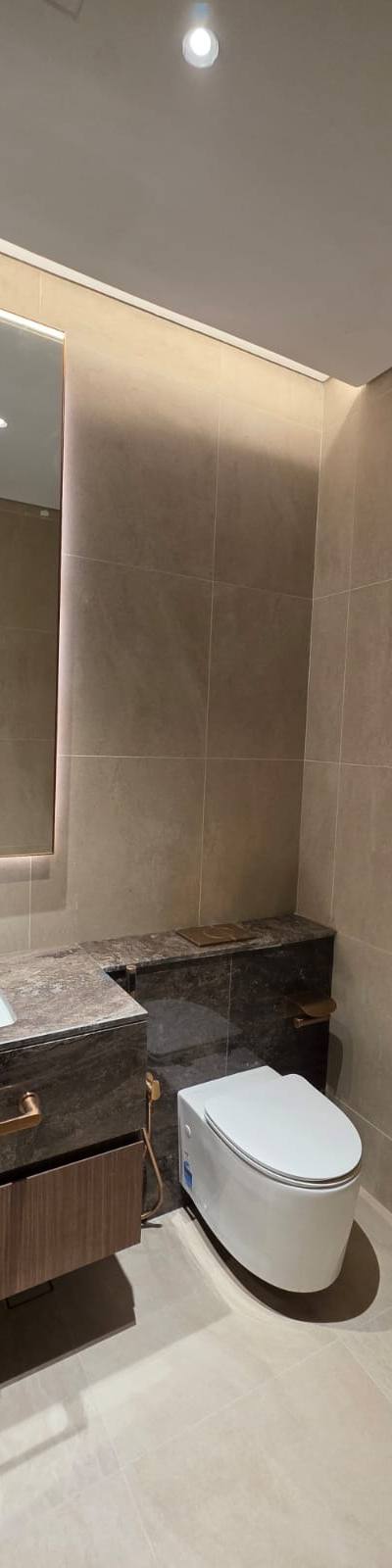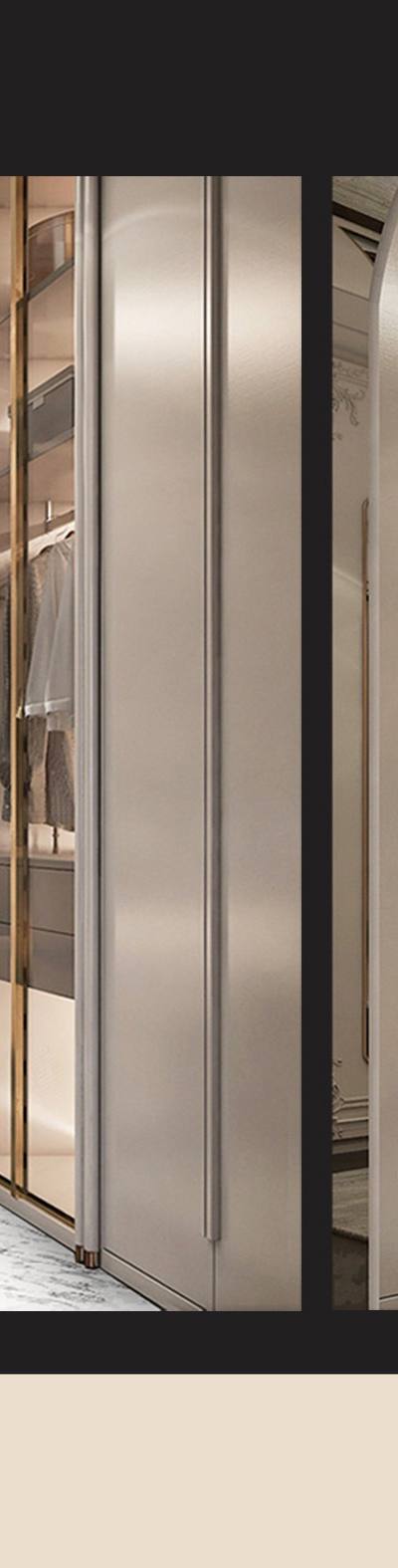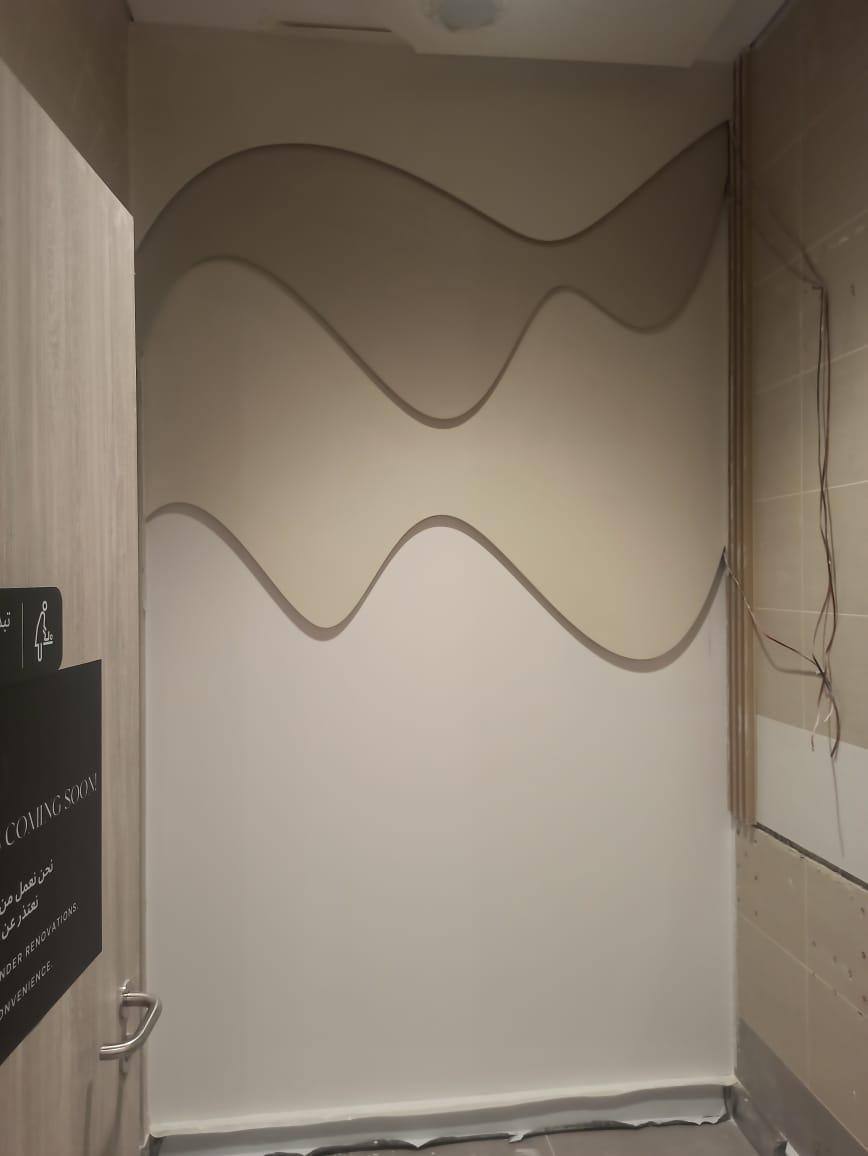
Bespoke joinery company Dubai: how to vet one
A bespoke joinery package rarely fails at the saw. It fails at the approval sheet, at the licence printed on the quotation, or in the week a veneer sample was signed off under different light from the finished wall. Vetting a bespoke joinery company in Dubai comes down to six questions you can ask in one meeting.
Own workshop or broker: what the visit actually tells you
Ask for the workshop address, not the office, and turn up without an appointment. A working joinery workshop in Dubai has board stacked by type and thickness, a spray booth, and offcuts that match the samples you were shown. Look at the benches. If everything in production is a hotel door, a reception counter or a retail fixture, the factory does commercial joinery and will read your programme the way you do. If the same kitchen carcass appears in five sizes, your reception desk is their first attempt at one.
Then two paperwork questions. Whose DET trade licence carries the joinery or wooden products activity, and does that name match the quotation? Licence lending is common here, and it leaves your warranty with a company you have no contract with. Who signs the shop drawings that go to the consultant and the authority? If the answer is vague, nobody does.
Board and finish specification for UAE conditions
Our climate is the specification. Ask what board goes into wet zones and service areas. Moisture-resistant MDF is the minimum behind vanity units. Marine ply is the right call where water sits or a floor-level unit takes washing. Standard MDF in a Dubai bathroom is a one-year product.
On commercial, clinic, hospital and F&B work the board question becomes a fire question. Class O and FR-rated boards, fire-retardant veneer with its treatment certificate, and test evidence for the exact board you are being sold rather than a generic file. On doors, wall linings and ceilings inside a mall, a hospital or a hotel, Civil Defence documentation is part of the package, not an afterthought. Mosque interiors need the same discipline in a different place: solid timber panelling and a minbar move with seasonal humidity, so the fixing detail matters as much as the finish. More on how we handle these packages sits in our fit-out and joinery guides.
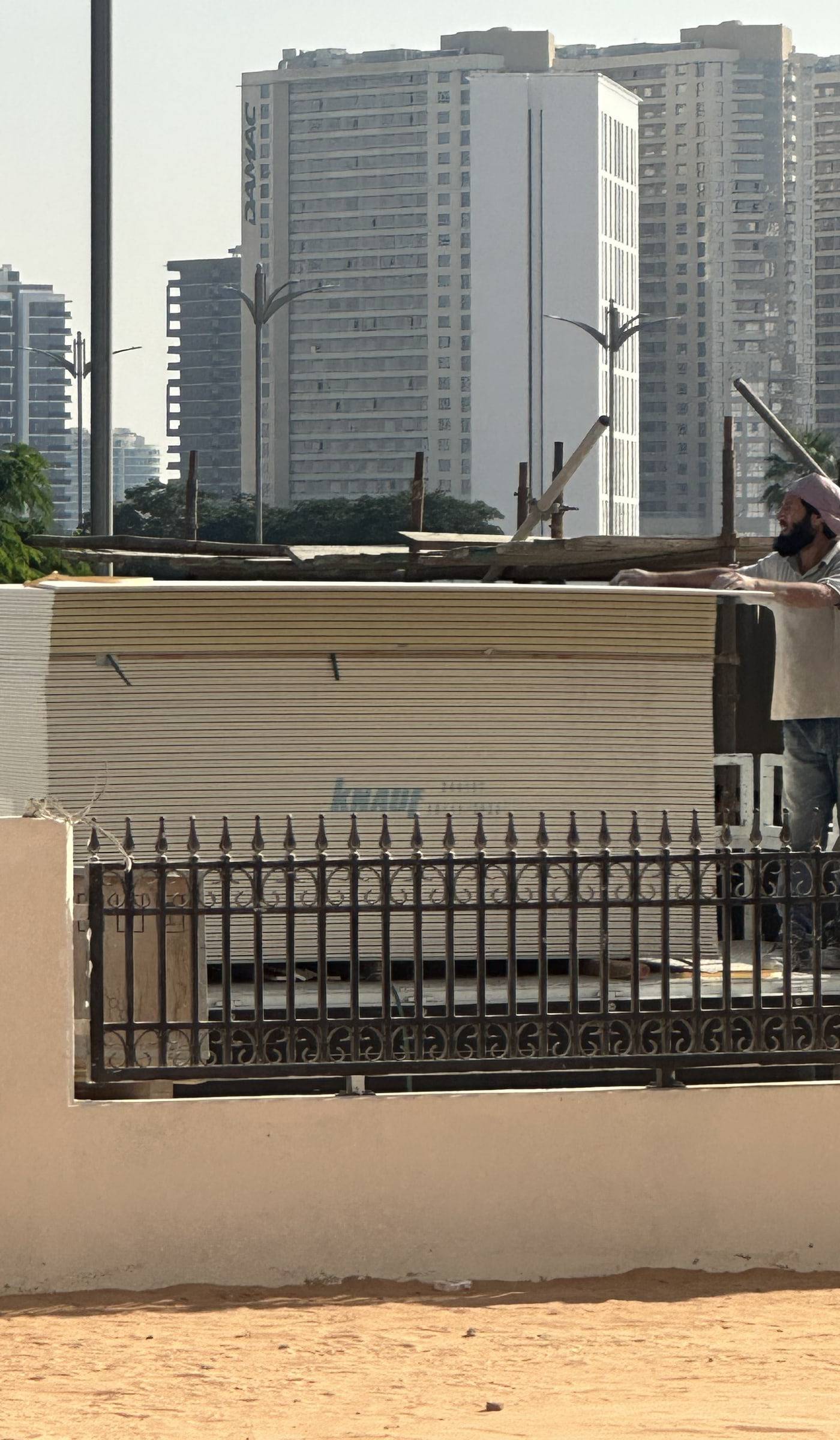 Material on site tells you what was ordered. Check it against the approved board specification before it is fixed.
Samples, mock-ups and who signs the approval sheet
A 100mm chip proves nothing about grain direction, joint lines or sheen. Ask for the real object: a door edge prototype, a vanity corner, a section of reception desk with the veneer laid the way it will run. Veneer is natural and varies batch to batch, so approve the batch, not a photo of it.
Decide who signs before production starts. On our fit-out jobs the approval sheet is signed by the client's project manager, countersigned by the joiner, with the date and the sample reference written on it. That sheet ends most finish arguments later, because everyone agreed to the same object on the same day. Approval by WhatsApp photo is not approval.
Survey, setting out and sequencing with MEP
Second-fix joinery is where handover dates go. A reception desk cannot go in until power and data positions in the floor are set, and the desk cannot be set out until the ceiling grid and finished floor level are confirmed. A fitted joinery contractor Dubai buyers can lean on turns up on site before production starts, takes their own levels, and issues a setting-out drawing showing the package against the MEP services.
Ask how they sequence. Doors and frames go before wet trades finish, or the frames take damage. Wall panelling waits for the final coat and for the AC to run. On a fast commercial job joinery sits on the critical path, so the programme has to show install windows and site access, not just a delivery date.
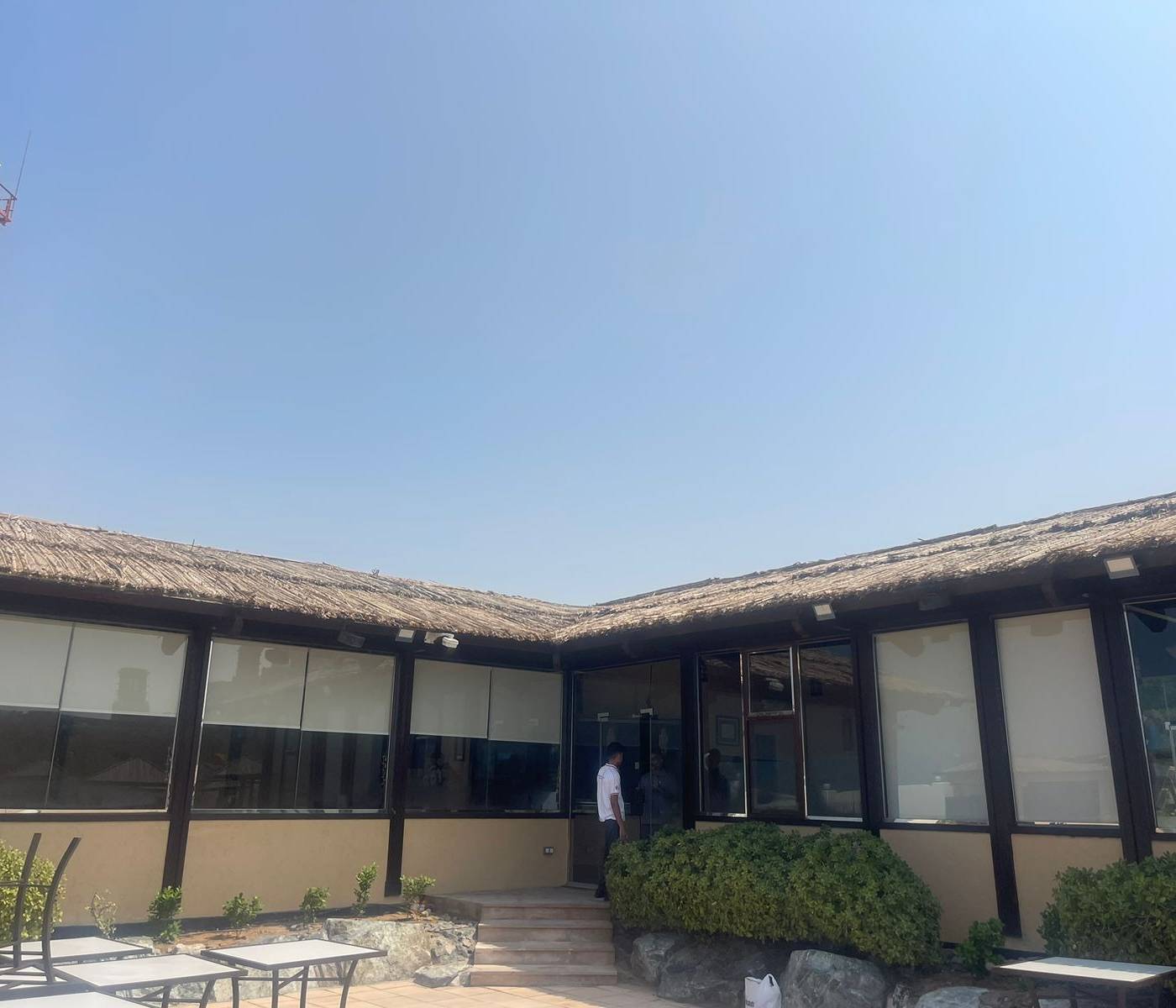 Access, working hours and building type shape the install window as much as the joinery drawings do.
Lead time, programme and what pushes a package late
Programmes move for reasons you control and reasons you do not. The controllable ones: finishes approved late, shop drawings returned with comments after production started, a board specification changed after the material order, a reception desk design settled in week six. The others sit outside the factory, such as outsourced veneer polishing, stone inlay, metalwork and glass.
So ask which operations happen under the same roof. A workshop that cuts, edges and assembles in-house has fewer hand-offs on a door package. One that outsources veneering and polishing has an extra date it does not own. Neither answer is automatically wrong, but know where the risk sits before you sign a programme.
Pin down the end too. Ask for the defects liability period in writing, what counts as a defect, and how after-handover adjustments are handled. Doors that were perfect in January swell in August as the AC runs. Hinges settle. A drawer front shifts. A contractor who expects the call at month three and prices it into the job is the one you want.
Six questions to take into the meeting:
- Can I see the workshop where my joinery will be made?
- Whose trade licence covers the joinery activity, and does it match the quotation?
- Which boards and fire certificates apply to this package?
- Who signs the mock-up approval sheet, and when?
- Which operations are subcontracted, and who owns those dates?
- What is the defects liability period and what does it cover?
I had the pleasure of working with this company on the pit-out work at my hotel, and I am extremely satisfied with the results. Imdadullah Khan, 5/5
A hotel client should be able to hold a joinery contractor to that. We carry a Google rating of 4.8 from 29 reviews, and we would rather you checked the work than the number. Look through the completed fit-out projects before you shortlist anyone.
For a quote on a bespoke package, send the plan with room names, the joinery items marked up, the finish intent, one photo of each existing condition, and the building and floor so access and working hours can be priced properly. WhatsApp those to +971 55 131 7286, the fastest route, or talk to our joinery team on 04 254 0442.